When disaster strikes, communities face overwhelming challenges. From hurricanes and wildfires to earthquakes and floods, the aftermath can be devastating. Supporting disaster relief efforts is crucial to help affected individuals rebuild their lives. There are many ways to contribute, and your support can make a significant difference. This article explores practical ways to support disaster efforts and how your donations can provide vital aid.
How to Support Disaster Efforts Effectively
Supporting disaster efforts requires more than just good intentions. It involves understanding the needs of affected communities and choosing the right methods to help. Here are some effective ways to support disaster relief:
- Monetary Donations: Cash donations are the most flexible and efficient way to help. Organizations can use funds to purchase exactly what is needed, from food and water to medical supplies and shelter materials.
- Volunteering: If you have the time and skills, volunteering with reputable organizations can provide hands-on assistance. This might include helping with logistics, distributing supplies, or providing medical care.
- Raising Awareness: Sharing information about disaster relief needs on social media or within your community can encourage others to contribute.
- Corporate Support: Businesses can offer financial support, donate goods, or provide services such as transportation and communication tools.
- Fundraising Events: Organizing or participating in events like charity runs, auctions, or bake sales can generate funds and engage the community.
By choosing the right approach, you can ensure your support has the greatest impact.
What can you donate to disaster relief?
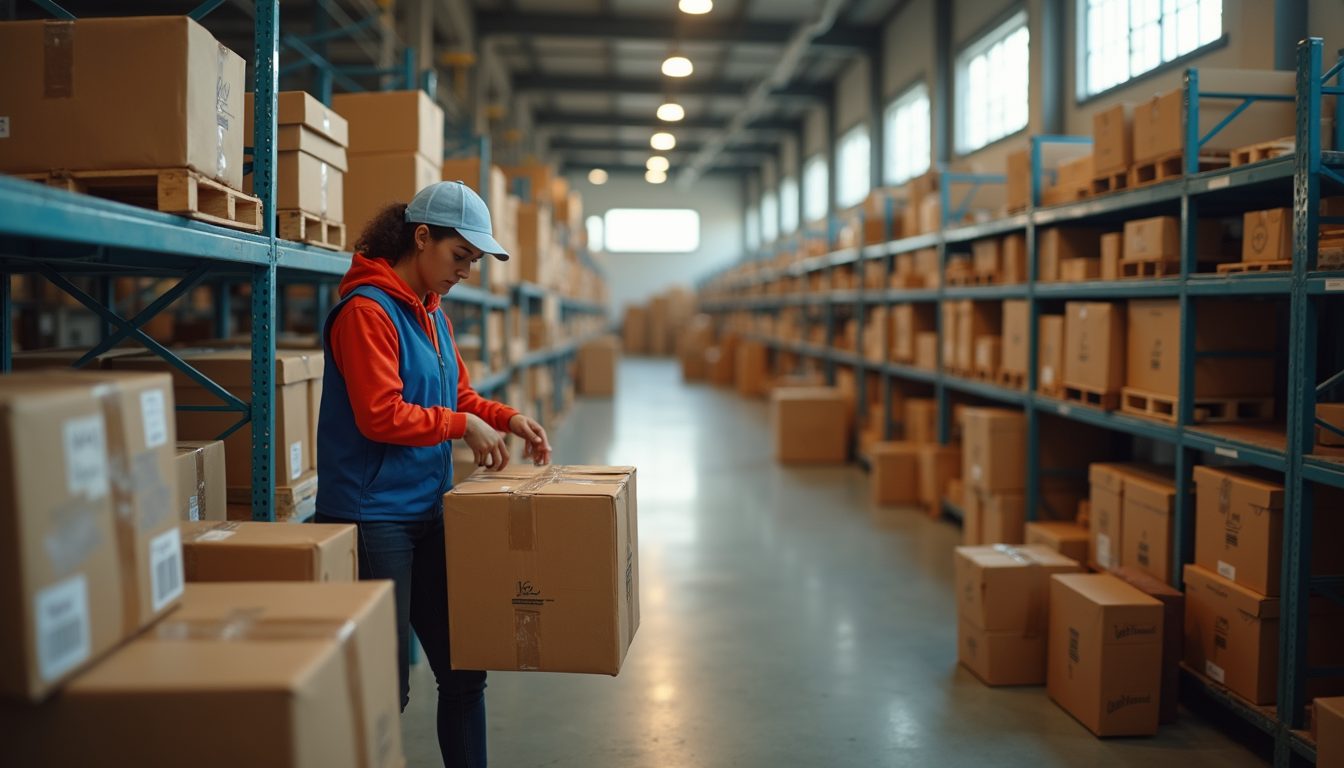
Knowing what to donate is essential to avoid sending items that may not be needed or could create logistical challenges. Here are some common and useful donations for disaster relief:
- Cash Donations: As mentioned, money is the most valuable donation. It allows organizations to respond quickly and efficiently.
- Non-perishable Food: Canned goods, dried foods, and other non-perishable items are often in high demand.
- Clean Water and Water Purification Supplies: Safe drinking water is critical after disasters.
- Clothing and Blankets: Especially important in cold weather or for displaced families.
- Hygiene Kits: Soap, toothpaste, feminine hygiene products, and diapers help maintain health and dignity.
- Medical Supplies: First aid kits, over-the-counter medications, and other health essentials.
- Baby Supplies: Formula, diapers, and baby food are vital for families with infants.
Before donating physical items, check with the relief organization to confirm what is needed. Sometimes, unsolicited goods can overwhelm logistics and delay aid delivery.

How to Choose a Trusted Organization for Your Donations
Selecting a reputable organization ensures your support reaches those in need. Here are tips to help you choose wisely:
- Research the Organization: Look for transparency in how funds are used and check for reviews or ratings from watchdog groups.
- Verify Registration: Confirm the organization is registered as a nonprofit or charity.
- Check for Local Partnerships: Organizations working with local groups often have better access and understanding of community needs.
- Avoid Scams: Be cautious of unsolicited requests for donations, especially via phone or email.
- Use Official Channels: Donate through the organization’s official website or trusted platforms.
For example, you can support disaster relief donations through American Regulators, a trusted organization dedicated to providing timely aid.
The Impact of Disaster Relief Donations
Disaster relief donations play a critical role in saving lives and rebuilding communities. Here’s how your contributions make a difference:
- Immediate Aid: Providing food, water, and shelter to survivors in the first hours and days after a disaster.
- Medical Assistance: Supplying medicines and healthcare to prevent disease outbreaks.
- Rebuilding Infrastructure: Helping restore homes, schools, and public services.
- Psychosocial Support: Offering counseling and support to help survivors cope with trauma.
- Economic Recovery: Supporting local businesses and livelihoods to jumpstart the economy.
Every donation, no matter the size, contributes to these efforts and helps communities recover faster.
Tips for Making Your Disaster Relief Donations Count
To maximize the impact of your support, consider these practical tips:
- Donate Early: The sooner you give, the faster aid can be delivered.
- Give Regularly: Ongoing support helps sustain long-term recovery efforts.
- Combine Efforts: Join community groups or workplace campaigns to increase collective impact.
- Stay Informed: Follow updates from relief organizations to understand evolving needs.
- Encourage Others: Inspire friends and family to contribute or volunteer.
By following these guidelines, you ensure your generosity is both meaningful and effective.
Supporting disaster relief efforts is a powerful way to show compassion and solidarity. Whether through monetary gifts, volunteering, or spreading awareness, your actions can help rebuild lives and communities. Consider making your contribution today and be part of the global effort to provide hope and healing in times of crisis.
Please visit AmericsnRegulators.com to donate today.
More from the team

London, Kentucky EF4 Tornado One-Year Remembrance Press Release
Kentucky EF4 Anniversary - 1 Year later-

Disaster Relief Fundraising Tips: Effective Strategies for Fundraising for Disaster Relief
Disasters deployments cost organizations for rresponse.
Understanding Effective Disaster Donations and Their Impact
When disaster strikes, the immediate aftermath can feel overwhelming. Homes are damaged, communities are disrupted, and lives are turned upside down…