When disaster strikes, the immediate aftermath can feel overwhelming. Homes are damaged, communities are disrupted, and lives are turned upside down. In these moments, your support through effective disaster donations can make a world of difference. I want to walk you through how your contributions help, why they matter, and how you can ensure your help reaches those who need it most.
Why Effective Disaster Donations Matter
Disasters come in many forms - hurricanes, wildfires, floods, and earthquakes. Each event leaves behind unique challenges. When you give, it’s not just about sending money or supplies. It’s about making sure your donation is used wisely and efficiently to rebuild lives and restore hope.
Effective disaster donations focus on:
- Speed: Getting aid to affected areas quickly.
- Relevance: Providing what people actually need.
- Sustainability: Supporting long-term recovery, not just immediate relief.
For example, after a hurricane, affected families might need clean water, food, and shelter first. Later, they’ll require help rebuilding homes and restoring schools. Your donation can be directed to organizations that understand these phases and act accordingly.
By choosing to support groups that specialize in disaster response, you help ensure that resources are not wasted. These organizations have trained volunteers and systems in place to mobilize quickly and efficiently.
How to Make Effective Disaster Donations
You might wonder, “How can I be sure my donation is effective?” Here are some practical tips to guide you:
- Research the organization: Look for groups with a proven track record in disaster relief. Check their transparency and how they use funds.
- Give cash or gift cards: These allow relief agencies to buy exactly what’s needed locally, supporting the economy and speeding up aid.
- Avoid sending unsolicited goods: Donating items like clothes or food without coordination can create logistical problems.
- Consider long-term support: Recovery takes time. Regular donations help sustain efforts beyond the initial emergency.
- Volunteer if possible: Your time and skills can be just as valuable as money.
For instance, American Regulators is a leading force in disaster relief across the United States. They rapidly mobilize trained volunteers to save lives and rebuild communities. Supporting such organizations ensures your help is effective and impactful.
Remember, your disaster relief donation is a powerful tool. When you give thoughtfully, you help restore hope and build resilience in communities facing hardship.
How much does FEMA pay for disaster relief?
Understanding government aid can help you see where your donations fit in. The Federal Emergency Management Agency (FEMA) provides financial assistance to individuals and communities affected by disasters. However, FEMA’s support often covers only part of the recovery costs.
Here’s a quick overview:
- Individual Assistance Program: Offers grants for temporary housing, home repairs, and other disaster-related expenses. The maximum grant amount varies but is generally limited.
- Public Assistance Program: Helps local governments and organizations repair infrastructure like roads, schools, and utilities.
- Disaster Unemployment Assistance: Provides benefits to those who lose jobs due to disasters.
While FEMA’s aid is crucial, it often falls short of covering all needs. This gap is where your donations become vital. They help fill in the missing pieces, providing additional resources for families and communities to recover fully.
The Real Impact of Your Disaster Relief Donation
You might ask, “What difference does my donation really make?” The answer is profound. Every dollar and every hour volunteered contributes to:
- Saving lives: Immediate aid like food, water, and medical care can prevent further harm.
- Restoring dignity: Providing shelter and basic necessities helps families regain stability.
- Rebuilding communities: Funds support rebuilding homes, schools, and infrastructure.
- Strengthening resilience: Training and preparedness programs reduce future disaster risks.
Take the example of a wildfire-ravaged town. Donations helped set up temporary shelters, provided counseling services, and funded rebuilding efforts. Months later, families returned to new homes, children went back to school, and the community began to thrive again.
Your support also empowers emergency services and volunteers who work tirelessly on the ground. They rely on donations to access equipment, supplies, and training.
How You Can Help Beyond Donations
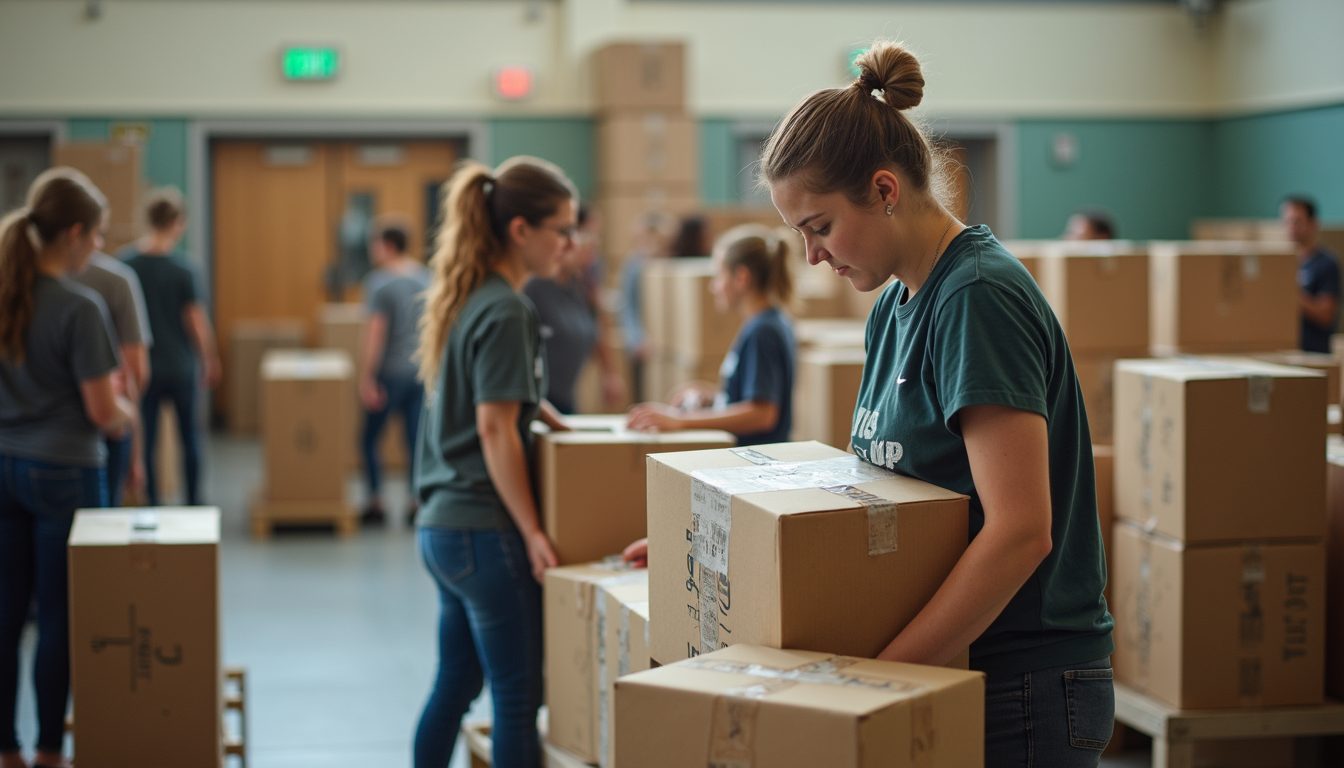
Giving money is powerful, but there are other ways you can contribute to disaster relief:
- Spread awareness: Share verified information about disaster needs and how others can help.
- Prepare your own family: Being ready for emergencies reduces strain on relief resources.
- Advocate for policies: Support government actions that improve disaster response and recovery.
- Participate in local training: Learn first aid, emergency response, or volunteer with local groups.
By taking these steps, you become part of a larger network of support. Together, we can build stronger, more resilient communities that bounce back faster from disasters.
Your willingness to help in times of crisis is inspiring. By understanding how effective disaster donations work and their impact, you can make a real difference. Every thoughtful contribution brings hope, healing, and strength to those who need it most. Keep giving, keep caring, and keep believing in the power of community.
More from the team

London, Kentucky EF4 Tornado One-Year Remembrance Press Release
Kentucky EF4 Anniversary - 1 Year later-
Disaster Relief Fundraising Tips: Effective Strategies for Fundraising for Disaster Relief
Disasters deployments cost organizations for rresponse.
Search and Rescue Training Essentials for Volunteers
When disaster strikes, every second counts. You might feel a strong urge to help, to be part of the solution, and to make a real difference. That’s…