When disaster strikes, every second counts. You might feel a strong urge to help, to be part of the solution, and to make a real difference. That’s where search and rescue training comes in. It equips you with the skills and confidence to act effectively in emergencies. I want to share with you why these training courses are so important and how they prepare volunteers like you to save lives and support communities in crisis.
Why Rescue Training Essentials Matter
Imagine a family trapped in a flood or a hiker lost in the wilderness. Trained volunteers are often the first line of defense in these situations. Rescue training essentials teach you how to navigate challenging environments, communicate clearly, and work as part of a team. These skills are not just useful - they are lifesaving.
The training covers a variety of critical areas:
- Basic first aid and CPR - You learn how to stabilize injured people until professional help arrives.
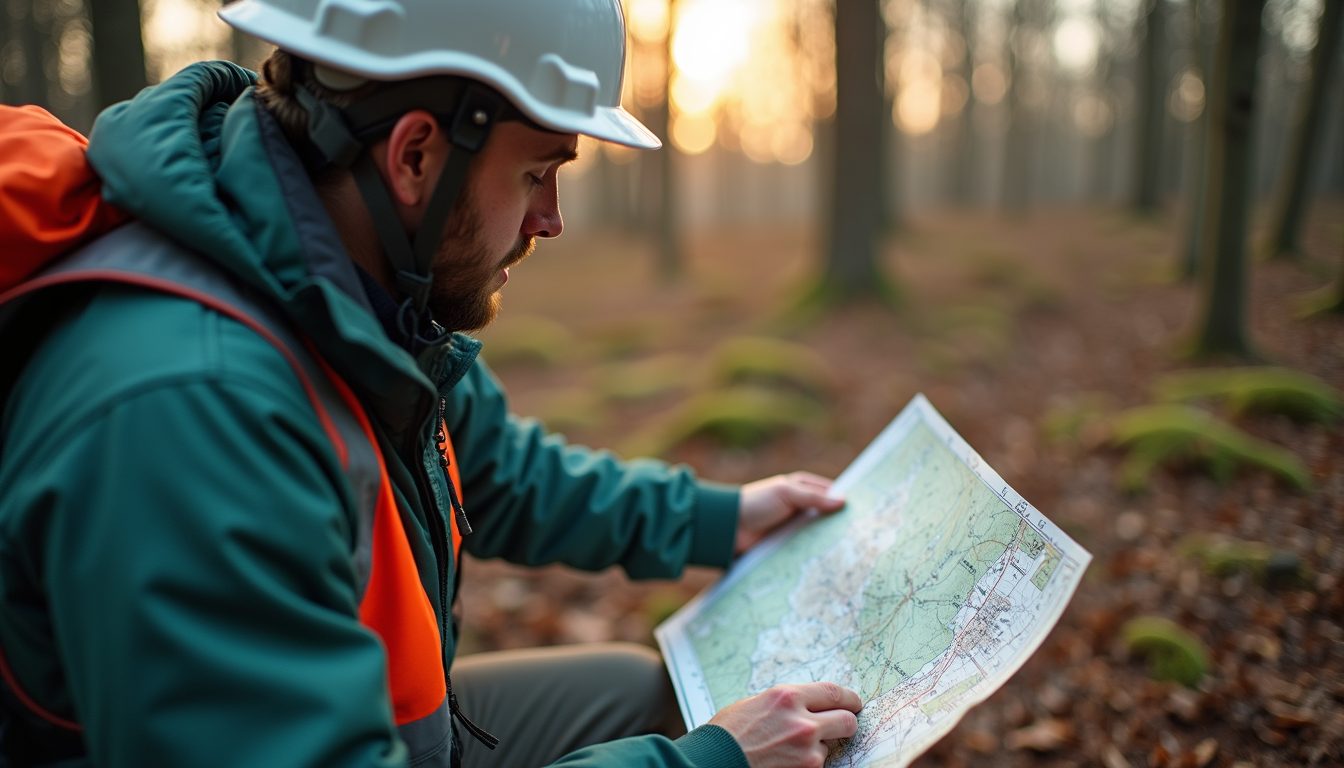
- Navigation and search techniques - Using maps, compasses, and GPS devices to find missing persons.
- Safety protocols - Protecting yourself and others during dangerous operations.
- Communication skills - Coordinating with emergency services and other volunteers.
By mastering these essentials, you become a reliable and effective responder. You gain the ability to act calmly and decisively when it matters most.
How Training Builds Confidence and Competence
When you first consider volunteering for search and rescue, it’s normal to feel unsure. The situations you might face can seem overwhelming. But training breaks down complex tasks into manageable steps. It gives you hands-on experience in a controlled environment.
For example, you might practice:
- Conducting a grid search in a wooded area.
- Setting up a command post for coordinating efforts.
- Using radios to communicate with team members.
Each exercise builds your confidence. You learn to trust your skills and your team. This trust is crucial when you’re out in the field, often under pressure and in unpredictable conditions.
The more you train, the more natural your responses become. You’ll find yourself ready to jump into action, knowing exactly what to do.
What to Expect from Search and Rescue Training Courses
If you’re ready to take the next step, you’ll want to know what these courses involve. Typically, they combine classroom learning with practical drills. You’ll cover topics like:
- Incident command systems - Understanding how rescue operations are organized.
- Risk assessment - Identifying hazards and making safe decisions.
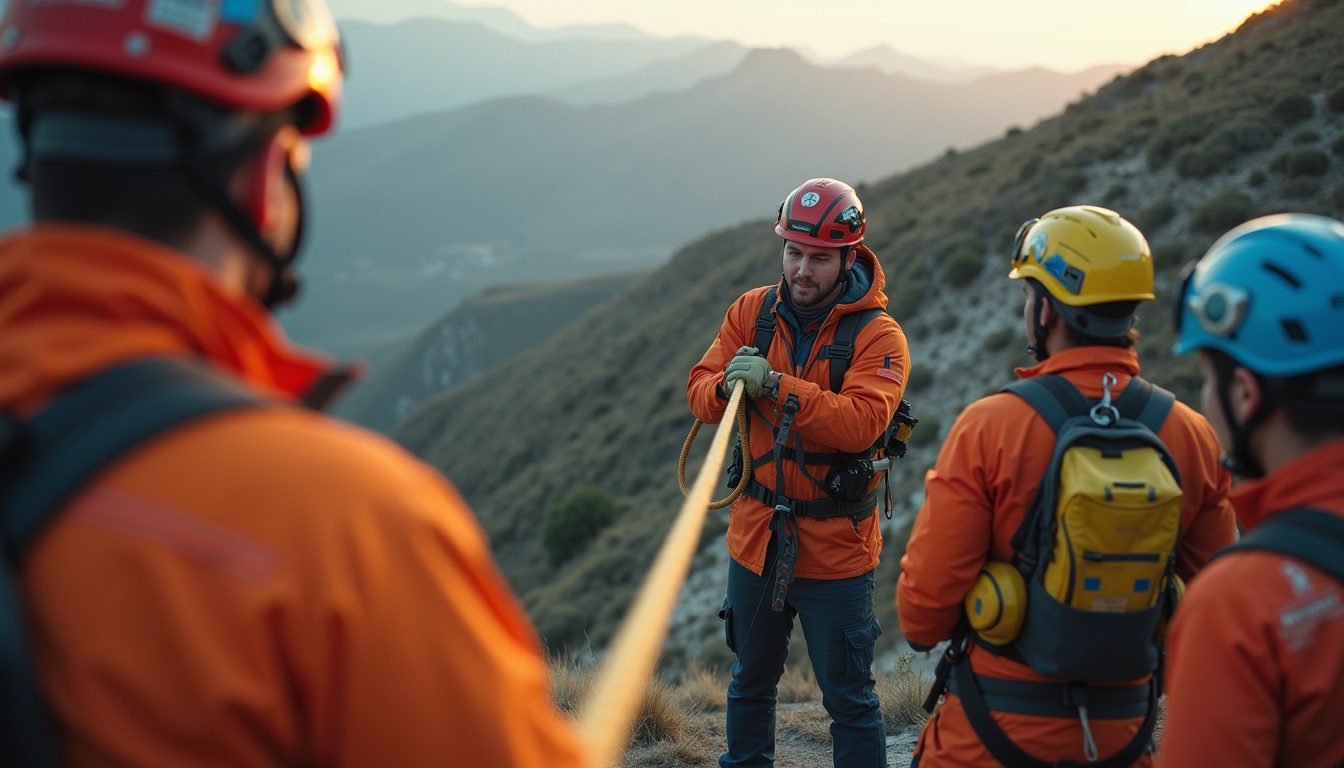
- Technical rescue skills - Rope work, water rescue, or wilderness survival, depending on the course focus.
Many programs also emphasize teamwork and leadership. You’ll learn how to support others and take initiative when needed.
One of the best parts of training is meeting fellow volunteers who share your passion. You’ll build a network of people committed to helping others. This community is a powerful source of encouragement and knowledge.
If you want to explore options, check out search and rescue training courses offered by reputable organizations. They often provide detailed descriptions and schedules to help you find the right fit.
Practical Tips for Getting the Most from Your Training
To make the most of your training experience, keep these tips in mind:
- Stay curious and ask questions. Don’t hesitate to seek clarification or deeper understanding.
- Practice regularly. Skills improve with repetition, so attend refresher sessions if possible.
- Prepare physically. Rescue work can be demanding, so maintain good fitness.
- Invest in good gear. Comfortable boots, weather-appropriate clothing, and a reliable backpack make a big difference.
- Stay connected. Join local volunteer groups or online forums to stay informed and engaged.
Remember, every bit of effort you put in now will pay off when you’re called to help. Your training is an investment in your ability to protect and serve your community.
Your Role in Building Resilient Communities
Volunteering for search and rescue is more than just a skill set. It’s a commitment to your neighbors and your community’s future. When disasters happen, trained volunteers are the backbone of rapid response. You help save lives, reduce suffering, and restore hope.
American Regulators aims to be a leading force in disaster relief across the United States. By mobilizing trained volunteers quickly, they strengthen communities and make recovery faster and more effective. Your participation in training courses is a vital part of this mission.
Together, we can build stronger, more resilient communities ready to face any challenge. Your willingness to learn and serve makes all the difference.
If you feel inspired to join this important work, start by exploring available training programs today. Your journey to becoming a skilled search and rescue volunteer begins with a single step. Take that step now - your community needs you.
More from the team
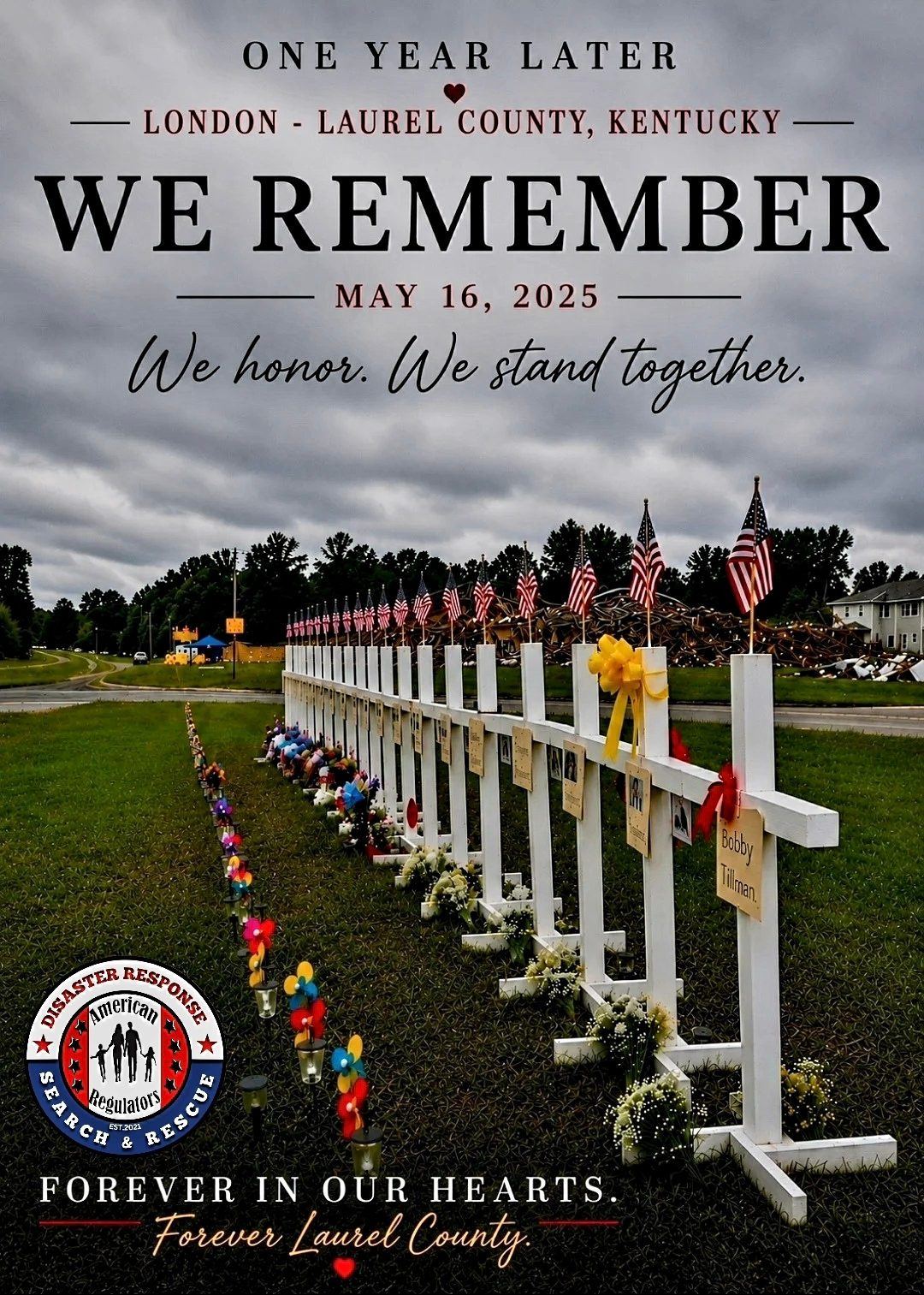
London, Kentucky EF4 Tornado One-Year Remembrance Press Release
Kentucky EF4 Anniversary - 1 Year later-

Disaster Relief Fundraising Tips: Effective Strategies for Fundraising for Disaster Relief
Disasters deployments cost organizations for rresponse.

Understanding Effective Disaster Donations and Their Impact
When disaster strikes, the immediate aftermath can feel overwhelming. Homes are damaged, communities are disrupted, and lives are turned upside down…