Emergencies can happen at any time, and being ready can make all the difference. Whether it’s a natural disaster, a power outage, or a sudden accident, having a plan and the right supplies can protect you and your loved ones. This guide will walk you through the essential steps to prepare effectively for emergencies. By following these practical tips, you can reduce stress and increase safety when unexpected situations arise.
Understanding the Emergency Preparedness Guide
Emergency preparedness is about planning ahead to handle crises safely and efficiently. It involves knowing the risks in your area, gathering necessary supplies, and creating communication plans. This guide will help you understand what to do before, during, and after an emergency.
Start by identifying the types of emergencies most likely to affect your location. For example, coastal areas may face hurricanes, while inland regions might be more prone to tornadoes or wildfires. Knowing these risks helps you tailor your preparations.
Next, focus on building an emergency kit. This kit should include essentials like water, non-perishable food, first aid supplies, flashlights, batteries, and important documents. Keep the kit in an accessible place and check it regularly to replace expired items.
Finally, create a family emergency plan. Decide on meeting points, emergency contacts, and how to communicate if phone lines are down. Practice this plan with everyone in your household to ensure everyone knows what to do.

Emergency supply kit ready for quick access
Preparing Your Home and Family for Emergencies
Your home is your first line of defense during an emergency. Taking steps to secure your living space can prevent injuries and damage. Start by checking your home for hazards such as loose wires, unstable furniture, or blocked exits. Fix these issues promptly.
Install smoke detectors and carbon monoxide alarms on every floor. Test them monthly and replace batteries at least once a year. Also, consider investing in a fire extinguisher and learn how to use it properly.
Create a safe room or area in your home where your family can gather during emergencies. This space should be stocked with your emergency kit and have easy access to exits.
Discuss emergency roles with your family members. Assign tasks such as turning off utilities, helping younger children, or contacting emergency services. Clear communication and role assignment reduce confusion during stressful moments.
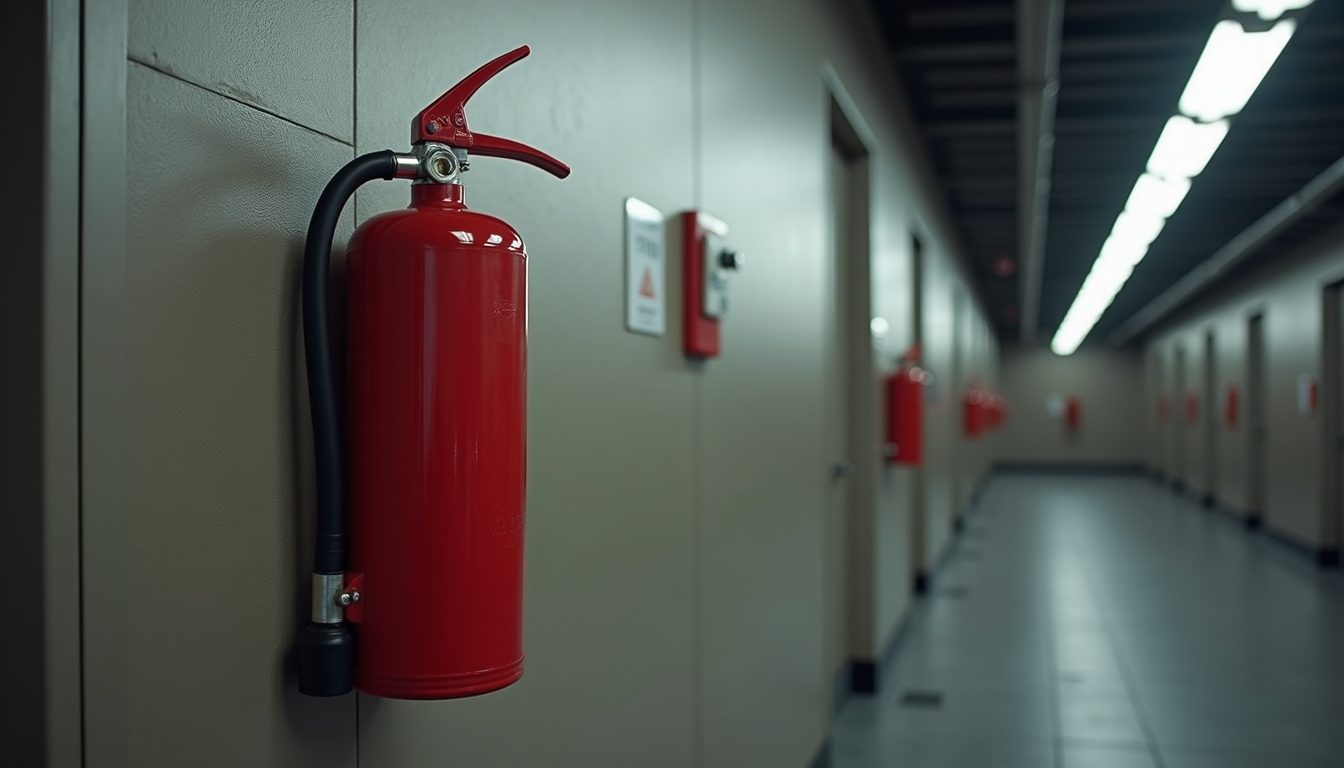
Fire extinguisher installed for quick response
What are the 5 Steps of Emergency Preparedness?
Understanding the core steps of emergency preparedness can simplify your planning process. Here are the five essential steps:
- Risk Assessment
Identify potential hazards in your area. This includes natural disasters, technological accidents, and health emergencies. Knowing what to expect helps you prepare effectively. - Planning
Develop a detailed emergency plan for your household. Include evacuation routes, meeting points, and communication methods. Make sure everyone understands the plan. - Building a Kit
Assemble an emergency supply kit with food, water, medical supplies, and other necessities. Customize it based on your family’s needs, including pets and special medical requirements. - Training and Practice
Educate your family on emergency procedures. Conduct drills regularly to ensure everyone knows how to respond calmly and quickly. - Review and Update
Periodically review your plan and supplies. Update them as needed to reflect changes in your family’s situation or new risks.
Following these steps creates a strong foundation for safety and resilience during emergencies.
Communication and Information Management During Emergencies
Effective communication is critical when disaster strikes. Without it, confusion and panic can escalate. Start by compiling a list of emergency contacts, including family members, neighbors, doctors, and local emergency services.
Consider using multiple communication methods. Cell phones, landlines, radios, and even social media can be valuable tools. In some cases, a battery-powered or hand-crank radio can provide vital updates when other systems fail.
Establish a family communication plan. Decide how you will check in with each other and where to meet if separated. Share this plan with trusted friends or neighbors who can assist if needed.
Stay informed by monitoring local news and weather alerts. Many communities offer emergency notification systems that send texts or emails during crises. Signing up for these alerts can keep you ahead of developing situations.
Building Resilience Through Community and Personal Preparedness
Emergency preparedness is not just an individual effort; it thrives on community support. Get involved with local preparedness groups or volunteer organizations. These groups often provide training, resources, and support networks.
Share your knowledge and resources with neighbors, especially those who may need extra help, such as the elderly or disabled. Creating a neighborhood plan can improve overall safety and response times.
On a personal level, focus on building resilience by maintaining good health and mental well-being. Stress management techniques, regular exercise, and a balanced diet can improve your ability to cope during emergencies.
Remember, preparedness is an ongoing process. Stay informed, practice your plans, and adapt as needed to keep yourself and your community safe.
By following this comprehensive emergency preparedness guide, you can face unexpected situations with confidence and calm. Taking these essential steps today will help protect your home, family, and peace of mind tomorrow. For more detailed information, visit the emergency preparedness resource to deepen your knowledge and readiness.
More from the team

London, Kentucky EF4 Tornado One-Year Remembrance Press Release
Kentucky EF4 Anniversary - 1 Year later-

Disaster Relief Fundraising Tips: Effective Strategies for Fundraising for Disaster Relief
Disasters deployments cost organizations for rresponse.

Understanding Effective Disaster Donations and Their Impact
When disaster strikes, the immediate aftermath can feel overwhelming. Homes are damaged, communities are disrupted, and lives are turned upside down…