When disaster strikes, communities face overwhelming challenges. Homes are damaged, infrastructure is destroyed, and lives are disrupted. In these critical moments, the power of collective action becomes clear. Supporting community recovery is essential to help affected areas rebuild stronger and more resilient than before. One of the most effective ways to do this is through disaster relief donations.
Disaster relief donations provide vital resources that enable communities to recover quickly and efficiently. These contributions fund emergency supplies, medical aid, shelter, and long-term rebuilding efforts. This blog post explores how donations empower communities, the best ways to contribute, and practical steps to maximize the impact of your support.
How Disaster Relief Donations Support Community Recovery
Supporting community recovery means more than just providing immediate aid. It involves helping communities regain stability and rebuild their lives sustainably. Disaster relief donations play a crucial role in this process by:
- Providing Emergency Supplies: Donations help supply food, clean water, clothing, and medical kits to those affected.
- Funding Temporary Shelter: Many families lose their homes during disasters. Donations support the construction of temporary shelters and safe housing.
- Enabling Medical Assistance: Access to healthcare is critical after disasters. Donations fund mobile clinics, medicines, and mental health support.
- Rebuilding Infrastructure: Roads, schools, and utilities often need repair. Donations contribute to restoring these essential services.
- Supporting Local Economies: Donations can help restart local businesses and create job opportunities, fostering economic recovery.
For example, after a major hurricane, donations helped rebuild schools and community centers in a coastal town, allowing children to return to education and families to gather safely. This kind of support strengthens the social fabric and promotes long-term resilience.
Why Supporting Community Recovery Matters
Disasters can leave communities vulnerable for months or even years. Without proper support, recovery can stall, leading to prolonged hardship. Supporting community recovery ensures that:
- Basic Needs Are Met: Food, water, and shelter are fundamental to survival.
- Health Risks Are Reduced: Preventing disease outbreaks and providing medical care saves lives.
- Education Continues: Keeping schools open or rebuilding them helps children maintain normalcy.
- Economic Stability Returns: Restoring jobs and businesses helps families regain independence.
- Community Spirit Is Strengthened: Collective recovery efforts build trust and cooperation among residents.
Communities that receive timely and adequate support recover faster and are better prepared for future disasters. This creates a cycle of resilience that benefits everyone.
What is the Best Way to Donate to Disaster Relief?
Choosing the best way to donate can be confusing. Here are some practical tips to ensure your contribution has the greatest impact:
- Give to Trusted Organizations: Look for reputable charities with a proven track record in disaster response. Transparency and accountability are key.
- Monetary Donations Are Most Flexible: Cash donations allow organizations to purchase exactly what is needed, often at lower costs.
- Avoid Donating Used Goods: Sending clothes or food can sometimes create logistical challenges and may not meet actual needs.
- Consider Local Groups: Supporting local organizations can ensure aid reaches the community faster and supports local economies.
- Stay Informed: Follow updates from relief organizations to understand ongoing needs and how your donation is used.
For those interested in making a meaningful contribution, consider disaster relief donations through established platforms that coordinate aid efficiently.
How to Maximize the Impact of Your Disaster Relief Donations
To make the most of your donations, consider these actionable recommendations:
- Set Up Recurring Donations: Regular contributions provide steady support for ongoing recovery efforts.
- Volunteer Your Time: If possible, volunteer with organizations to assist on the ground or remotely.
- Advocate and Raise Awareness: Share information about disaster needs and encourage others to donate.
- Support Preparedness Programs: Donations can also fund education and training to reduce future disaster risks.
- Follow Up: Stay connected with the organizations you support to see how your donations are making a difference.
By combining financial support with active engagement, donors can help build stronger, more resilient communities.
Building a Culture of Giving for Long-Term Resilience
Disasters are unpredictable, but community strength is not. Building a culture of giving and preparedness ensures that when the next crisis hits, communities are ready to respond and recover quickly. This involves:
- Educating the Public: Teaching about disaster risks and response strategies.
- Encouraging Local Leadership: Empowering community members to lead recovery efforts.
- Fostering Partnerships: Connecting government, nonprofits, and businesses to coordinate aid.
- Investing in Infrastructure: Supporting projects that reduce vulnerability to disasters.
Your support through disaster relief donations is a vital part of this culture. Together, we can create communities that not only survive disasters but thrive afterward.
Empowering communities through disaster relief donations is a powerful way to support community recovery. By understanding the needs, choosing the right methods to give, and staying engaged, you can make a lasting difference in the lives of those affected by disasters. Every contribution counts toward building a safer, stronger future for all.
More from the team
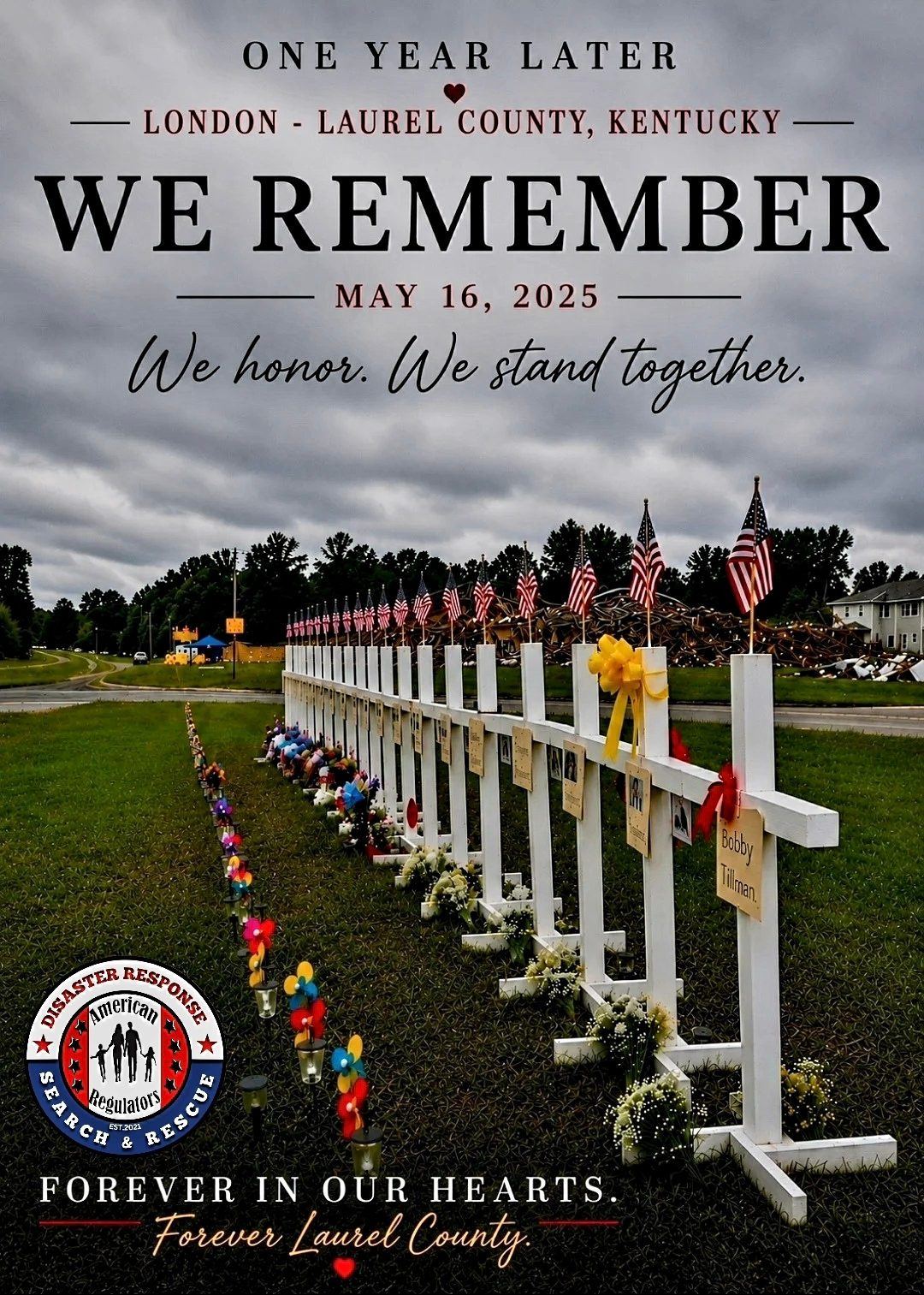
London, Kentucky EF4 Tornado One-Year Remembrance Press Release
Kentucky EF4 Anniversary - 1 Year later-
Disaster Relief Fundraising Tips: Effective Strategies for Fundraising for Disaster Relief
Disasters deployments cost organizations for rresponse.
Understanding Effective Disaster Donations and Their Impact
When disaster strikes, the immediate aftermath can feel overwhelming. Homes are damaged, communities are disrupted, and lives are turned upside down…