When disaster strikes, the aftermath can feel overwhelming. Homes are damaged, communities are shaken, and families face uncertainty. But in these moments, your willingness to step up and help can bring hope and healing. Volunteering in disaster relief is a powerful way to support those in need and rebuild stronger communities. I want to share how you can get involved, what to expect, and why your efforts truly matter.
Why Volunteer Disaster Relief Matters
Volunteering in disaster relief is more than just lending a hand - it’s about being part of a lifeline for people facing crisis. When floods, hurricanes, wildfires, or earthquakes hit, emergency services often need extra support to reach everyone affected. That’s where volunteers come in. You can help with everything from distributing supplies to providing emotional support.
Here’s why your involvement is crucial:
- Speedy response: Volunteers help get aid to people faster.
- Community rebuilding: Hands-on help accelerates recovery.
- Emotional support: Your presence can comfort those who feel lost.
- Skill sharing: You bring unique talents that can fill gaps.
By joining volunteer disaster relief efforts, you become part of a team that saves lives and restores hope. It’s a chance to make a real difference when it counts most.
How to Get Started with Volunteer Disaster Relief
Getting involved might seem daunting, but it’s easier than you think. Here’s a simple guide to help you begin your journey as a disaster relief volunteer:
- Research reputable organizations: Look for groups with experience and clear volunteer programs. American Regulators, for example, is a leading force in mobilizing trained volunteers across the United States.
- Understand the commitment: Some roles require short-term help, while others need ongoing support. Choose what fits your schedule.
- Get trained: Many organizations offer training sessions to prepare you for the realities of disaster zones.
- Prepare physically and mentally: Relief work can be demanding. Make sure you’re ready for the challenges.
- Register and stay informed: Sign up with your chosen group and keep an eye on alerts for deployment opportunities.
Remember, every bit of help counts. Whether you’re packing supplies or coordinating logistics, your contribution is valuable.

What do disaster victims need most?
Understanding the needs of disaster victims helps you provide the right kind of support. Their needs often change as the situation evolves, but some essentials remain constant:
- Basic necessities: Food, clean water, clothing, and shelter are immediate priorities.
- Medical care: Access to first aid and ongoing health services is critical.
- Emotional support: Trauma from loss and uncertainty requires compassionate listening and counseling.
- Information: Clear communication about available resources and safety measures helps victims make informed decisions.
- Rebuilding assistance: Help with cleanup, repairs, and restoring infrastructure is vital for long-term recovery.
When you volunteer, focus on these areas. Your efforts can fill gaps that emergency responders might not cover immediately.
Types of Volunteer Roles You Can Take On
Disaster relief work is diverse, and there’s a role for everyone. Here are some common volunteer positions you might consider:
- Logistics and supply distribution: Organize and hand out food, water, and essentials.
- Search and rescue support: Assist trained teams by providing information or helping with communications.
- Medical aid: If you have medical training, offer first aid or help at clinics.
- Shelter management: Help run emergency shelters and provide comfort to displaced families.
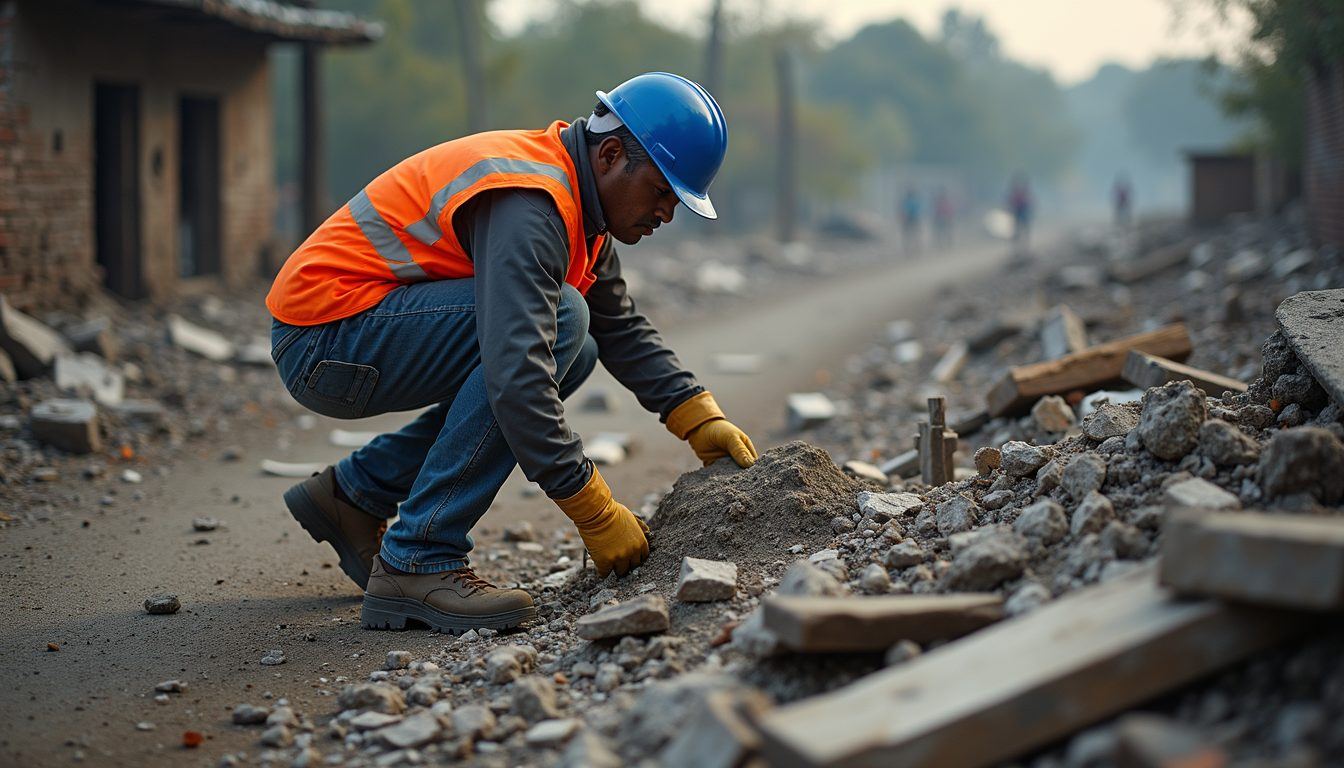
- Cleanup and rebuilding: Participate in debris removal, home repairs, and community restoration.
- Administrative support: Manage data, coordinate volunteers, or handle communications.
Each role requires different skills and time commitments. Choose one that matches your abilities and interests.
Tips for Staying Safe and Effective as a Volunteer
Your safety is just as important as the help you provide. Here are some practical tips to keep you safe and effective in disaster zones:
- Follow all training guidelines: Stick to protocols to avoid injury or spreading disease.
- Use protective gear: Wear gloves, masks, boots, and other safety equipment.
- Stay hydrated and rested: Disaster zones can be physically demanding.
- Work in teams: Never go alone into hazardous areas.
- Communicate clearly: Keep in touch with coordinators and report any issues.
- Respect local culture and privacy: Be sensitive to the affected community’s needs and customs.
By taking these precautions, you’ll be able to help more people and avoid becoming a victim yourself.
How Your Volunteer Work Builds Resilient Communities
Disaster relief is not just about immediate aid. It’s about helping communities bounce back stronger than before. When you volunteer, you contribute to:
- Rebuilding infrastructure: Roads, schools, and homes get restored faster.
- Empowering locals: Training and support help communities prepare for future disasters.
- Strengthening social bonds: Shared recovery efforts create lasting connections.
- Raising awareness: Volunteers often become advocates for better disaster preparedness.
Your time and energy help create a foundation for long-term resilience. That’s a legacy worth striving for.
If you’re ready to take the first step, explore disaster relief volunteer opportunities today. Your help can change lives.
Your Next Step in Making a Difference
Volunteering in disaster relief is a journey filled with challenges and rewards. It’s about showing up when it matters most and standing with those who need you. Whether you’re new to volunteering or have experience, there’s always a way to contribute.
Start by reaching out to trusted organizations, getting trained, and preparing yourself. Remember, every effort counts - no matter how small it seems. Together, we can save lives, restore hope, and build communities that thrive even after the worst storms.
Your willingness to help is the first step toward a brighter, safer future for all.
More from the team
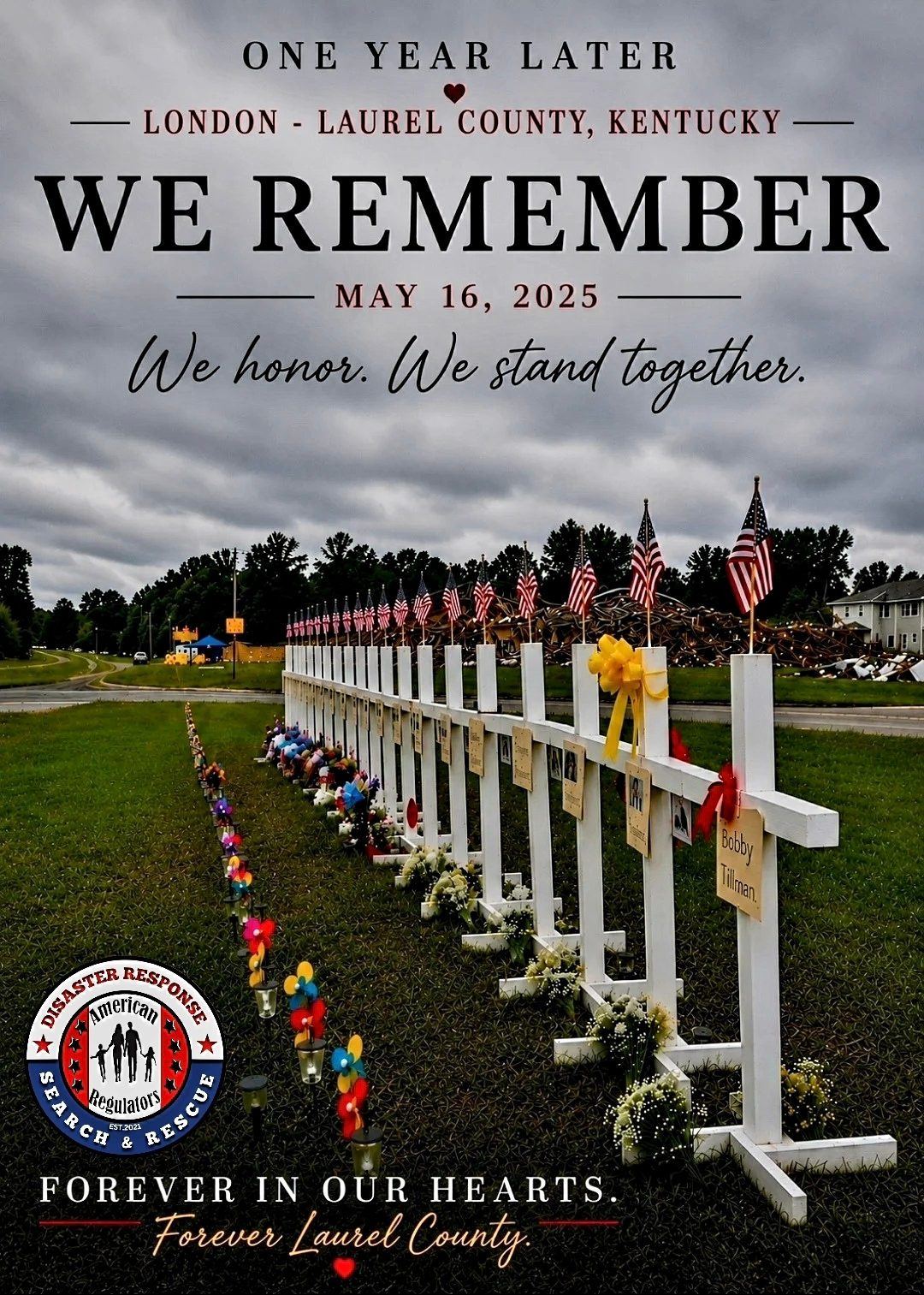
London, Kentucky EF4 Tornado One-Year Remembrance Press Release
Kentucky EF4 Anniversary - 1 Year later-

Disaster Relief Fundraising Tips: Effective Strategies for Fundraising for Disaster Relief
Disasters deployments cost organizations for rresponse.

Understanding Effective Disaster Donations and Their Impact
When disaster strikes, the immediate aftermath can feel overwhelming. Homes are damaged, communities are disrupted, and lives are turned upside down…