How to Get Involved in Volunteer Disaster Response Efforts
Disasters can strike at any time, and when they do, communities often rely on dedicated volunteers for immediate assistance. Becoming involved in volunteer disaster response efforts not only aids those in need but also allows you to grow as an individual, connect with like-minded people, and contribute to the welfare of your community. If you’re looking to get involved, this guide will walk you through the essential steps.
Emergency Volunteer Roles
When a disaster occurs, the need for assistance can be overwhelming. Various organizations rely on volunteers to perform essential roles. These roles can vary significantly depending on the type of disaster, but common functions include:
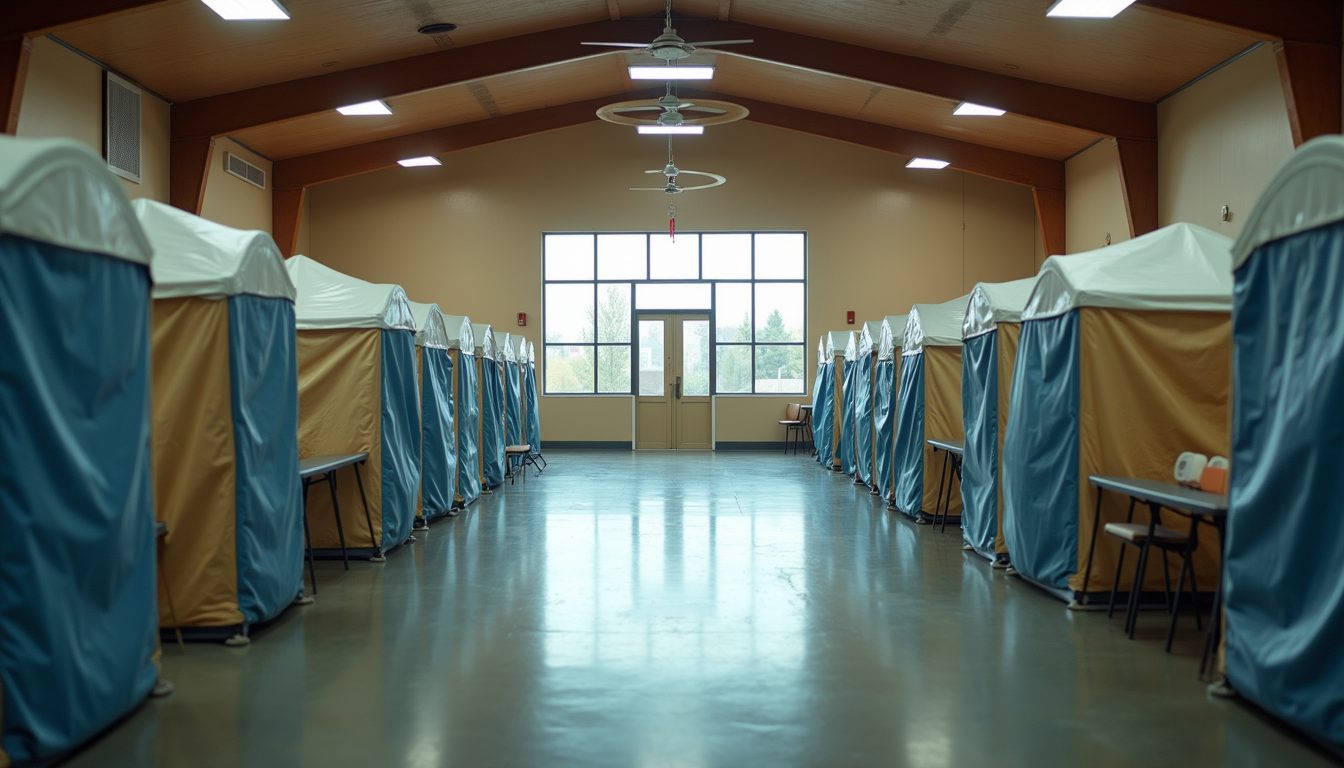
- Shelter Support: Setting up and managing temporary shelters for displaced families.
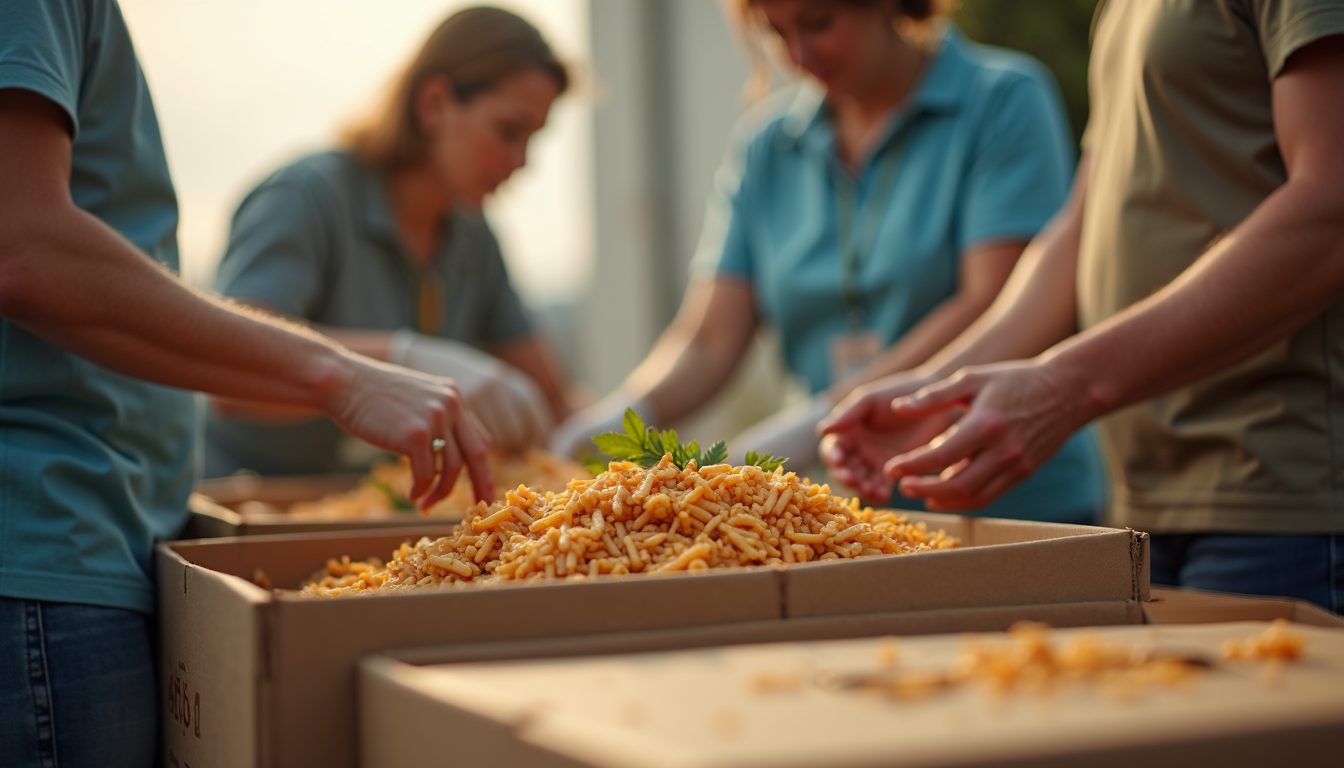
- Food Distribution: Assisting in the organization, preparation, and distribution of food to those affected.
- Medical Support: Providing first aid or assisting medical professionals in clinics.
- Damage Assessment: Helping local agencies assess the extent of damage for resource allocation.
- Emotional Support: Offering comfort and a listening ear to those traumatized by the disaster.
Each of these roles plays a vital part in making recovery efforts successful.
Finding Opportunities to Volunteer
Understanding where and how to find opportunities is crucial for new volunteers. Many organizations focus on disaster response, including:
- Red Cross: One of the most recognized organizations, offering multiple volunteer opportunities.
- Team Rubicon: Combines the skills of military veterans and civilian volunteers to assist in disaster relief.
- Local NGOs: Many local non-profits organize volunteer initiatives for specific disasters.
You can also check community bulletin boards, social media groups, or websites dedicated to emergency preparedness. Websites like American Regulators can help you find specific openings and roles within their organization.
What Does a Disaster Relief Volunteer Do?
If you decide to join these efforts, what can you expect? A disaster relief volunteer's role may vary, but the core responsibilities include:
- Training: Many organizations offer training programs to prepare volunteers for specific roles. Training can cover everything from basic first aid to emotional support techniques.
- Deployment: Volunteers may be deployed to affected areas to support on-the-ground efforts or work remotely to support logistics.
- Community Engagement: Volunteers often engage with community members to assess needs and distribute resources effectively.
- Collaboration: Working alongside professionals, such as medical staff, engineers, and social workers, enhances the effectiveness of relief efforts.
Each volunteer experience is unique and can be affected by the scale of the disaster and the needs of the community. You may find yourself working long hours, but the rewards—seeing lives changed and communities restored—can be immeasurable.

Getting Started: Steps to Take
If you're ready to jump in and make a difference, follow these important steps:
- Research: Understand the risks and types of disasters likely to occur in your area. This knowledge will guide you in selecting the appropriate organizations to work with.
- Choose an Organization: Identify a group that resonates with your values and mission. Analyze what roles they need most and see where your skills can fit.
- Complete Application: Fill out any necessary applications or registration forms. Some organizations might also conduct background checks to ensure safety.
- Attend Orientation: Participate in any available orientation sessions. This will prepare you for your role and help you connect with fellow volunteers.
- Volunteer Regularly: Make a commitment to volunteer regularly, not just during a disaster. This allows you to build relationships and become a stronger asset to the team.
- Stay Informed: Natural disasters can strike quickly, so keep up-to-date on training and emergency readiness initiatives hosted by your organization.
By following these steps, you can ensure a smooth transition into the world of disaster relief volunteering.
Preparing Yourself and Your Community
Before jumping into action, it's essential to prepare yourself and your community for disasters:
- Educate Yourself: Learn more about disaster management and response. Books, online courses, and workshops can provide crucial knowledge.
- Build a Network: Partner with local agencies, schools, and community groups to develop a robust support system.
- Create a Plan: Work with your community to create an emergency response plan that includes volunteer roles and responsibilities. This proactive approach can save time during an actual crisis.
- Engage in Local Initiatives: Participate in drills and preparedness days to get hands-on experience and encourage others to take part.
Taking the time to educate yourself and engage with others in your community can help facilitate a smoother response during disasters.
Making a Difference
Becoming a volunteer not only helps those affected by disasters but also enriches your life. You’ll gain new skills, make lifelong friends, and enjoy a sense of purpose by contributing to your community.
Disasters may be unpredictable, but your ability to respond does not have to be. By understanding how to engage with organizations and becoming an active volunteer, you will play a vital role in ensuring that recovery efforts are effective and impactful.
Whether it is through emotional support for those in need or food distribution, every little bit helps. The impact of your service can resonate beyond the immediate aftermath of a disaster, creating a ripple effect of kindness and assistance for years to come.
So why wait? Dive into the world of disaster response volunteers today! If you’re interested in finding an opportunity, check out American Regulators to learn more about available roles and how to get started. Together, we can build resilient communities ready for anything.
More from the team
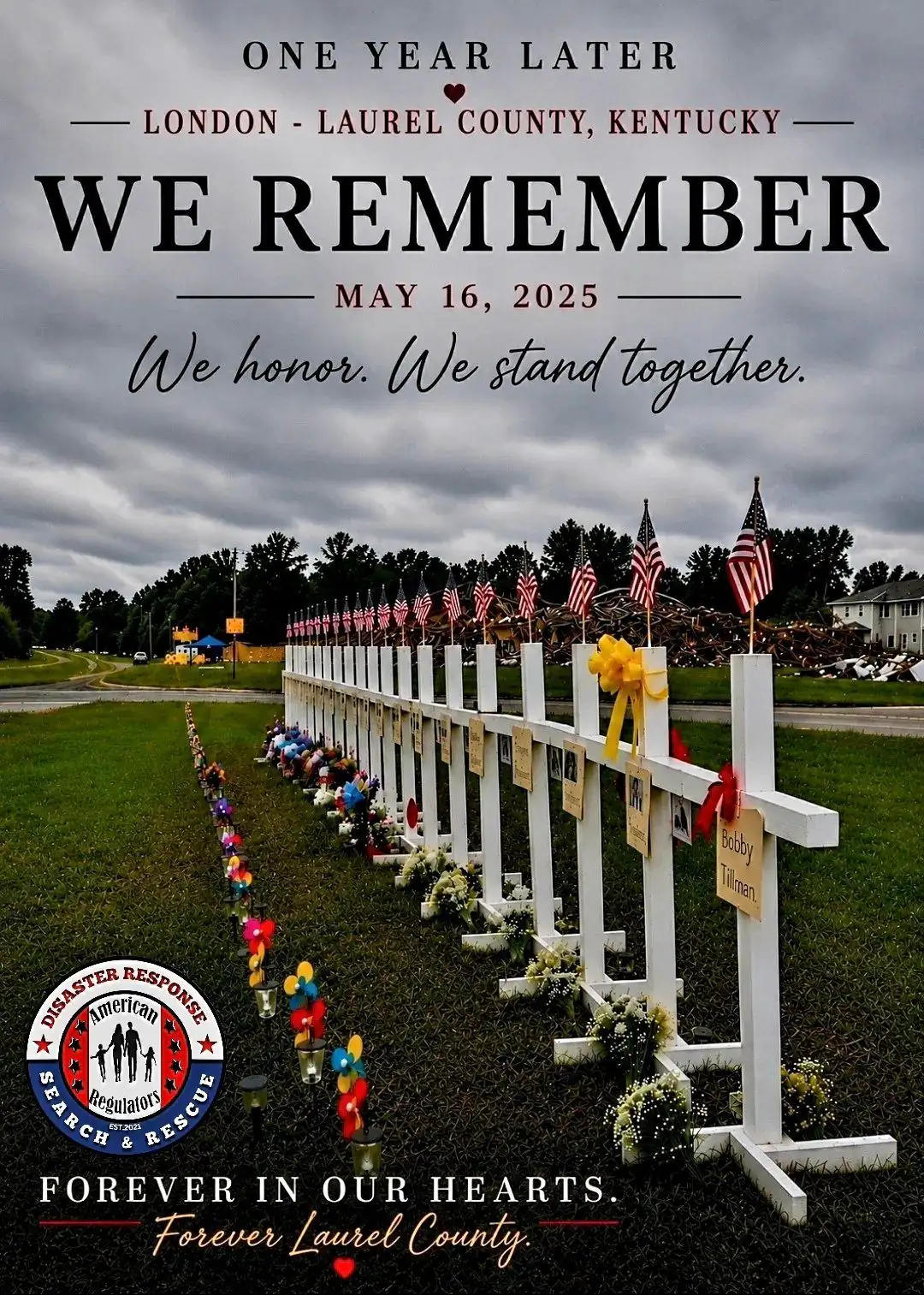
London, Kentucky EF4 Tornado One-Year Remembrance Press Release
Kentucky EF4 Anniversary - 1 Year later-

Disaster Relief Fundraising Tips: Effective Strategies for Fundraising for Disaster Relief
Disasters deployments cost organizations for rresponse.

Understanding Effective Disaster Donations and Their Impact
When disaster strikes, the immediate aftermath can feel overwhelming. Homes are damaged, communities are disrupted, and lives are turned upside down…